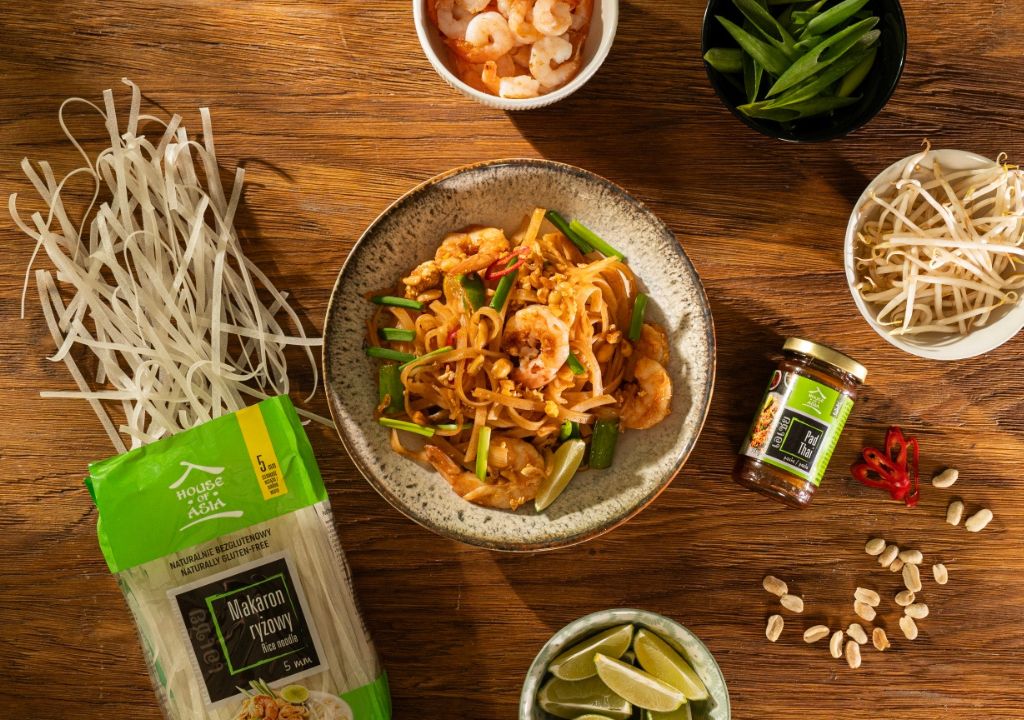
Why is this particular dish so popular? Perhaps it's because Pad Thai is very simple and quick to prepare, it's filling for a long time, and it leaves room for our culinary creativity. There are countless versions of this Asian dish. However, the basis is the old original recipe, which you'll find in the text.
Pad Thai is the signature dish of Thai cuisine. You'll find it on the menu of every restaurant serving delicacies from this region of the world. Translated into Polish, the name would be "fried Thai." The classic version consists of just a few ingredients: rice noodles, vegetables, meat, fish sauce, eggs, and nuts. The whole dish is served (right after preparation) in a bowl or on a flat plate.
The history of the national dish
There's no single official origin for this dish, although most sources claim that Pad Thai became popular in Thailand during World War II. With rice in high demand, the government decided to promote rice noodles as a cheaper alternative. Chefs were reportedly tasked with developing a filling and tasty dish that would be readily available, affordable, and satisfying. Penny Van Esterik, a cultural anthropologist researching Southeast Asia, in her book "Materializing Thailand," described Prime Minister Plaek Phibunsongkhram's campaign in the 1930s and 1940s. The campaign aimed to unite the nation through culture. The country's name was changed from Siam to Thailand, a new anthem was composed, and a delicious national dish combining sweet, sour, and spicy flavors was created. It was reportedly selected through a culinary competition. Another theory points to the influence of Chinese immigrants, who supposedly adapted the rice noodles they brought to Thailand to suit what was considered tasty locally. Some historians suggest that fried rice noodles with toppings were actually popularized by Chinese merchants as early as the 18th century. There are also reports that Pad Thai has its roots in Vietnamese cuisine, with the recipe spread by Vietnamese soldiers. And while there are many origin stories, one thing is certain: Pad Thai became so popular and beloved that for decades it has been the dish most associated with Thailand and a staple of the Thai diet.
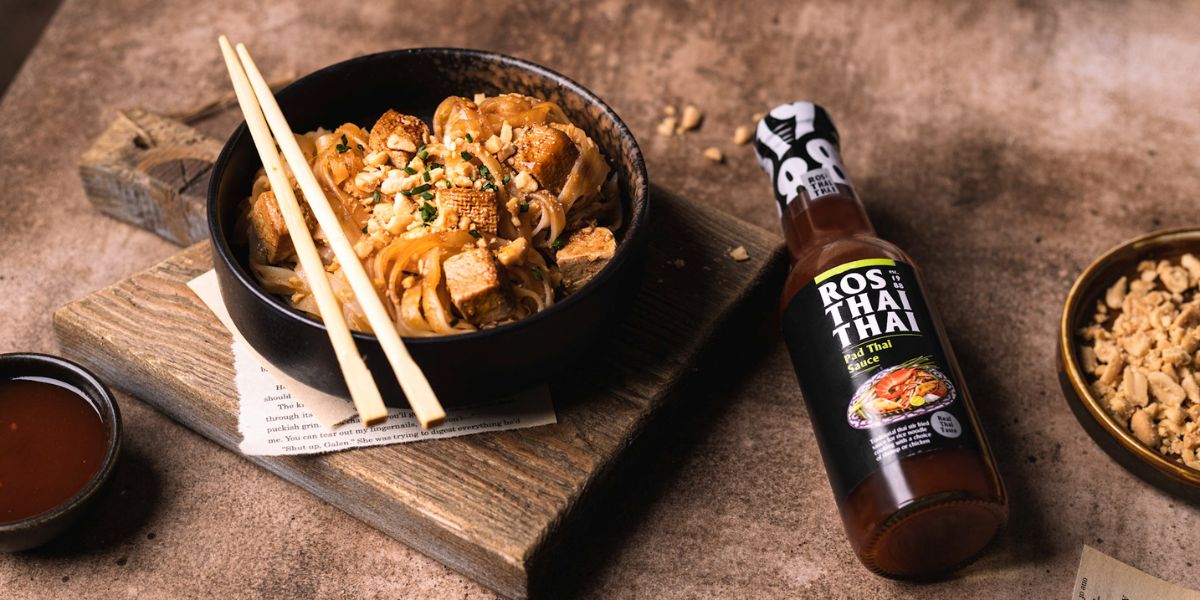
Recipe for Pad Thai with tofu and Ros Thai Thai sauce
Pad Thai for lunch or dinner?
At street stalls in Thailand, this dish is available at any time of day or night. It's worth noting that Pad Thai is also served during special occasions and important events that are a permanent fixture on the Thai calendar. One such important date is the birthday of the King of Thailand – Maha Vajiralongkorn celebrates its anniversary on July 28th. Pad Thai is also served during festivals and fairs organized for Songkran (New Year's Day celebrated in April), Loy Krathong (in November), and Yi Peng (when hundreds of lanterns soar into the sky). You'll definitely see this dish on the table at social gatherings or corporate events.
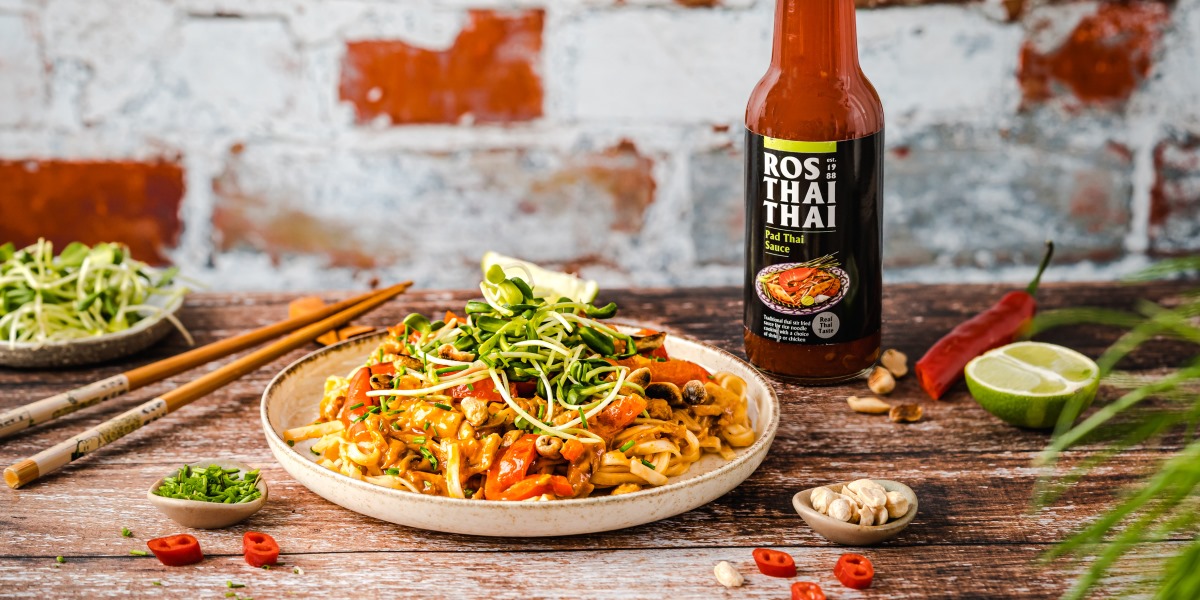
Recipe for peanut noodles with jackfruit in pad thai sauce Ros Thai Thai
The original recipe for Pad Thai
There's a basic version with just a few ingredients. The base of the dish is rice noodles (flat, 5-7 mm wide), which are mixed with Thai sauce, shrimp or chicken, onion, egg, and finally sprinkled with crushed peanuts and a drizzle of lime juice. If you want to prepare an original version, Pad Thai with chicken use our recipe.
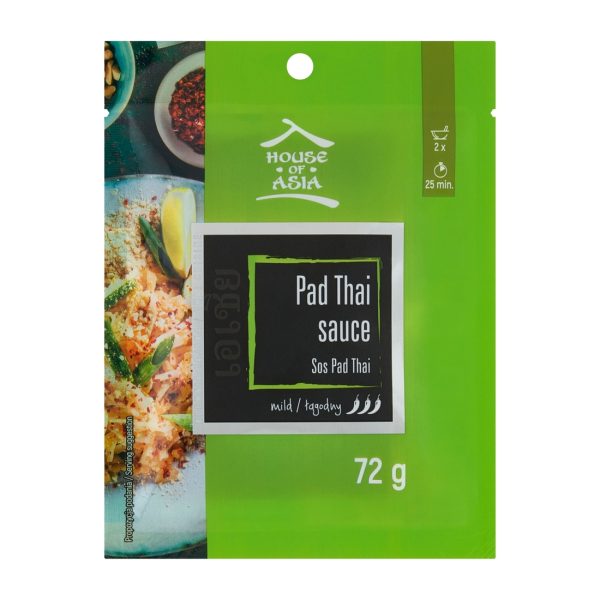
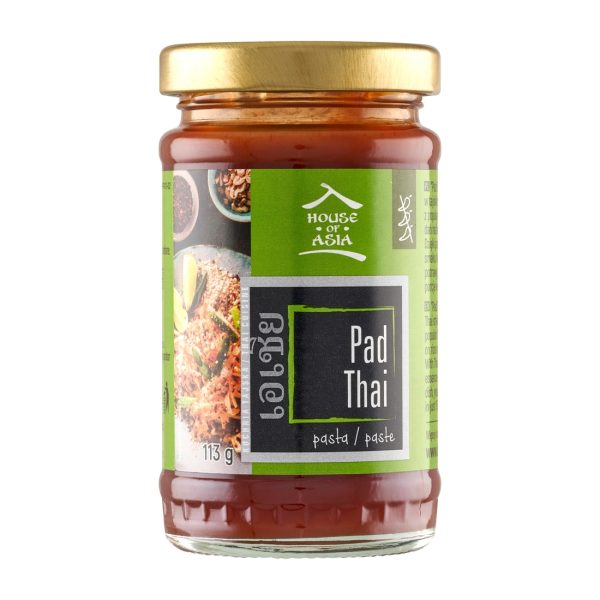
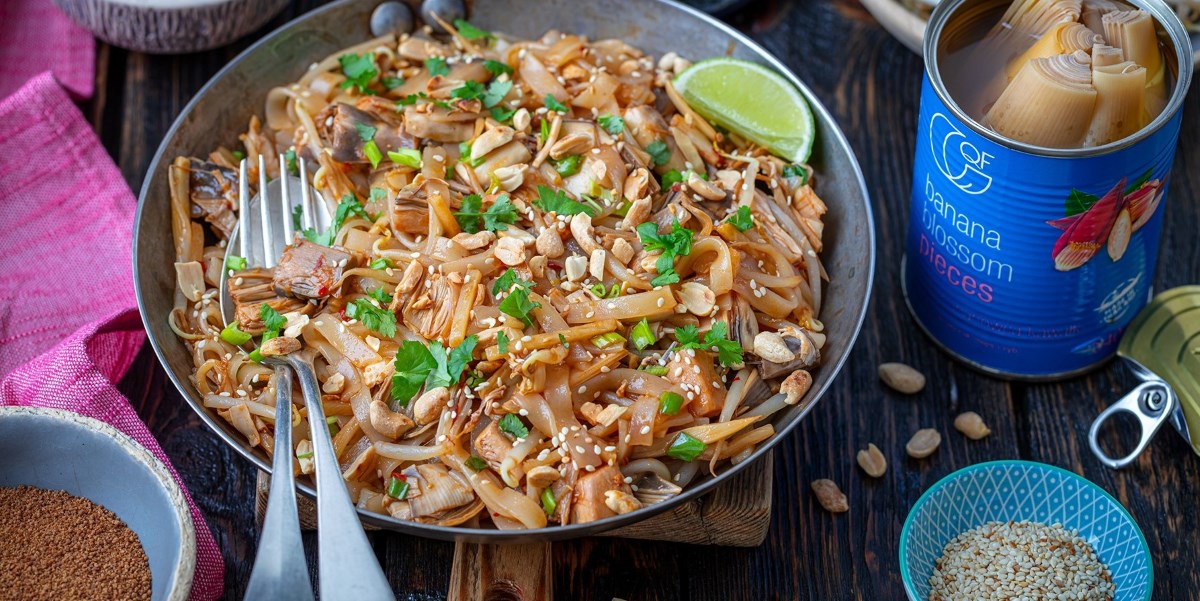
The beauty of this noodle dish lies in the fact that it can be prepared slightly differently each time, so it won't quickly become stale. Instead of the most popular ingredients: chicken or shrimp, simply add pork, beef, sausage, or seafood (e.g., oysters, squid, or octopus). Vegans can make Pad Thai with shredded tofu or banana blossoms, and pulled jackfruit is also excellent. In some countries (e.g., Japan), wheat noodles (udon) or buckwheat noodles (soba) are used as a base. Vegetable additions include broccoli, cauliflower, carrots, bell peppers, sugar snap peas, green beans, Chinese cabbage, asparagus, zucchini, etc. Some people also add mushrooms and nori leaves. In some regions of Thailand, grated green mango is used. Depending on your taste, add more or less chili sauce. Some people prepare Pad Thai not only with tamarind sauce, but also with soy sauce, curry sauce, and even ketchup. You can use ready-made Pad Thai paste, which contains tamarind, tomatoes, fish sauce, vinegar, shallots, and sugar. Most recipes also add a raw egg at the end of frying. This increases the dish's nutritional value and adds an interesting texture to the springy noodles and crispy toppings. It also allows all the flavors to harmonize better. For a vegan version of Pad Thai, you can omit this ingredient or use a substitute (1-2 tablespoons of soy flour mixed with water, or silken tofu). The dish is sprinkled with chives, scallions, cilantro, or mint, and mung bean sprouts.
Recipe for vegan Pad Thai with banana blossom
How to properly prepare Pad Thai, or Thai-style noodles
The entire process takes no more than 20 minutes. Traditionally, Pad Thai is prepared in a large wok. This allows the ingredients to fry briefly, making it easy to mix them, and allowing the flavors to meld well. If you don't have a wok, use a large frying pan. The secret to a perfect fusion of flavors is perfectly prepared rice noodles. It's best to start with them. To ensure they're perfectly firm and combine well with the sauces, soak them in cold water and let them sit for about 30 minutes. Do not boil them. Drain and add them immediately to the wok-fried meat and add your chosen sauces and pastes. Fry for 1-2 minutes, stirring constantly. Pad Thai is a stir-fry dish where everything is briefly fried in very hot oil. Gradually add chopped, firm vegetables. Near the end of frying, move everything to one side of the pan and crack an egg (one per person) on the other. Wait until it sets like an omelet and then mix it into the dish. Finally, add more delicate ingredients, such as sprouts, spinach leaves, and herbs.
Pad Thai is perfect as a main course for social gatherings. Serve it on a plate or in bowls, along with chopsticks and your choice of spoons or forks. It's best to prepare the chopped ingredients and noodles yourself and fry the dish in batches of 2-3. This allows the flavors to meld well, and each guest can choose a slightly different version (e.g., less spicy or without a particular ingredient). If you prepare a larger portion of the dish in advance (and will be reheating), remember to cool it quickly after frying (to prevent bacteria growth) and seal it in an airtight container (to maintain freshness and moisture). However, remember that reheated Pad Thai can lose its unique flavor and texture. Use a wok or pan to minimize reheating time.
The greatest advantage of this dish is its multitude of variations and the variety of flavors. Every family or group of friends can collaborate on a favorite combination that will become their signature Pad Thai.