
Onigiri, or Japanese rice triangle
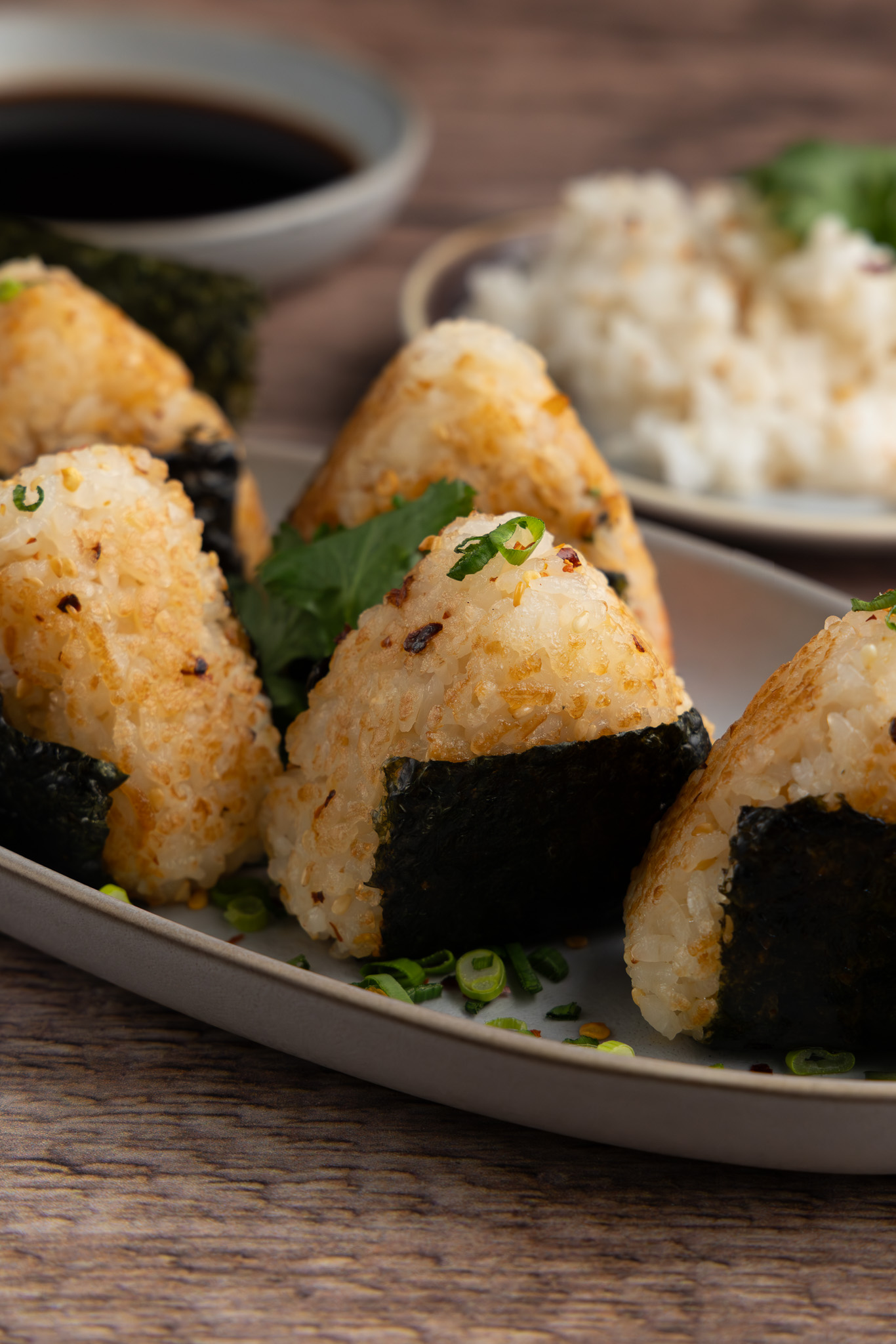
Onigiri is a Japanese rice snack, most often triangular in shape, although it also comes in other shapes. The filling is wrapped in nori, making it easy to eat on the go. The filling can be customized to your taste, with both traditional toppings and simpler options. More traditional examples include umeboshi, natto, and katsuobushi (smoked bonito flakes). Onigiri can also be prepared vegan or with meat or fish. For many people, it's a convenient alternative to a sandwich or a small takeaway meal.
Taste Cloud It gives onigiri a deep umami flavor and pairs well with rice, making the whole thing truly tasty and delicious. Freshly wrapped nori is crispy, while the rice remains soft, providing a pleasant textural contrast. Over time, nori absorbs moisture and becomes more pliable, so it's best to wrap it just before eating. That's why special nori leaves for onigiri are crucial because they allow you to keep it crispy until the last minute.
What are nori leaves?
Nori leaves It's pressed and dried seaweed, an edible seaweed used for things like sushi or wrapping rice sandwiches. It has a slightly salty, slightly marine profile with a distinctive aroma and flavor. It's also rich in vitamins and minerals, including iodine, iron, and calcium, making it an important part of the Japanese diet. Regularly consumed, it also supports healthy thyroid function thanks to its iodine content.
Nori gold, silver or regular nori – which one to choose?
Nori gold, silver and regular nori differ mainly in quality, structure and flavor intensity. Nori gold This is usually a higher grade – darker, more flexible, more delicate, and less brittle, making it suitable for onigiri and sushi. Silver nori is an intermediate variant, while regular nori can be lighter, thinner, and soften more quickly after contact with rice.
You can use regular nori for homemade onigiri, but if you want a better crispiness, nice appearance and a more authentic effect, it is worth choosing nori intended specifically for onigiri.
What makes nori leaves for onigiri special?
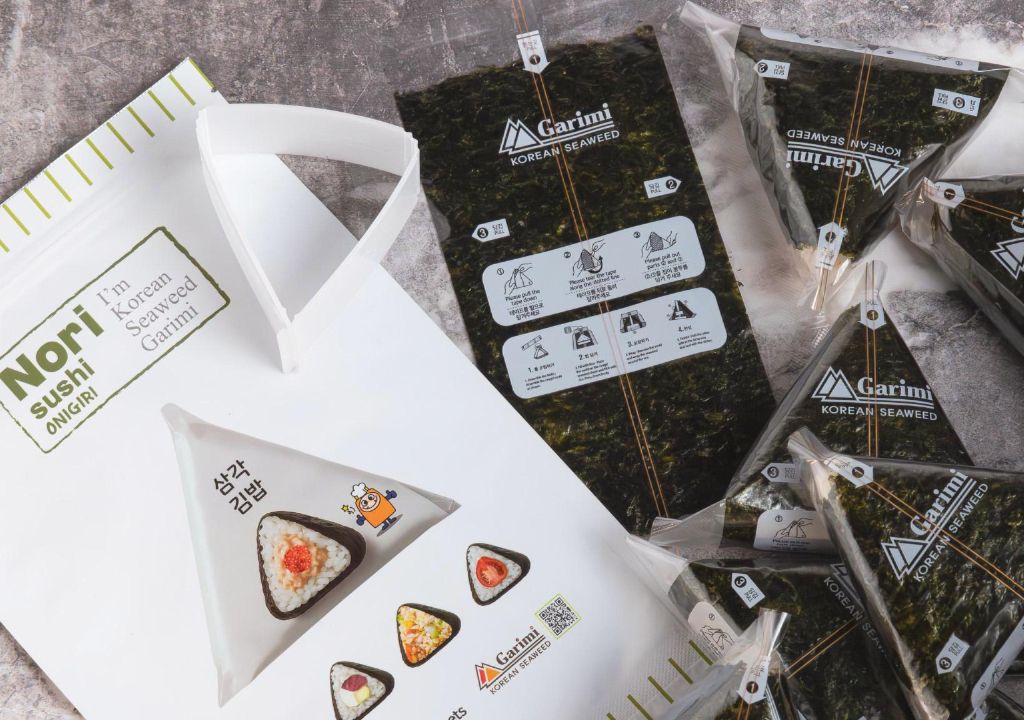
An important element that distinguishes nori leaves for onigiri from traditional algae, is the method of packaging and preparation.
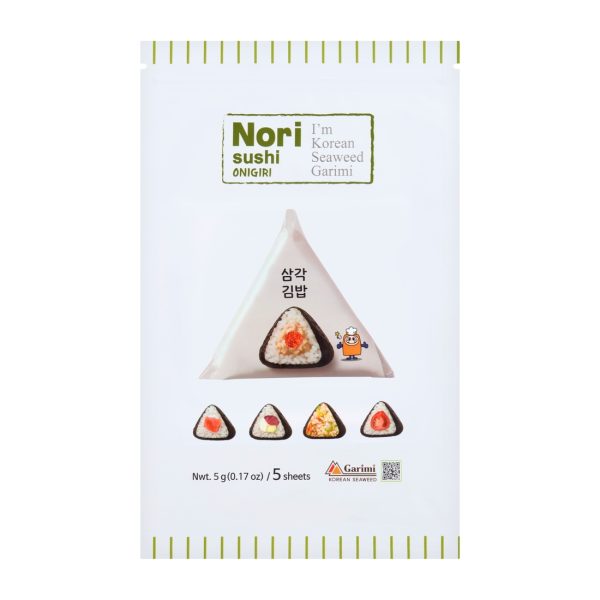
First, the nori sheets for onigiri are specially cut to a shape that facilitates aesthetic and convenient wrapping of the rice triangle. This ensures that the nori adheres well to the sides of the onigiri, does not stick out, and allows for comfortable holding. This ensures that the finished onigiri looks neat, is easier to eat, and does not fall apart during eating.
The second significant difference is that the onigiri nori is separated by a thin layer of foil, which helps maintain its crispness until consumed. This packaging system prevents the seaweed from absorbing moisture from the rice, keeping it fresh and crisp, and perfectly enveloping the onigiri upon opening.
It's the combination of the right shape and protective foil that creates the characteristic effect known from ready-made onigiri – soft rice inside and crispy nori outside. This makes onigiri not only a tasty but also a practical meal, perfect for taking to work, school, or on a trip.
How to make onigiri step by step?
Onigiri should be prepared in several steps: from cooking the right rice, to choosing the filling, to shaping the portions and wrapping them in nori. The key is well-prepared, slightly sticky rice, a filling that isn't too wet, and the right nori for onigiri in foil, which allows the algae to remain crunchy until eaten.
See how easy it is to prepare onigiri at home! Watch the tutorial video.
How to prepare rice?
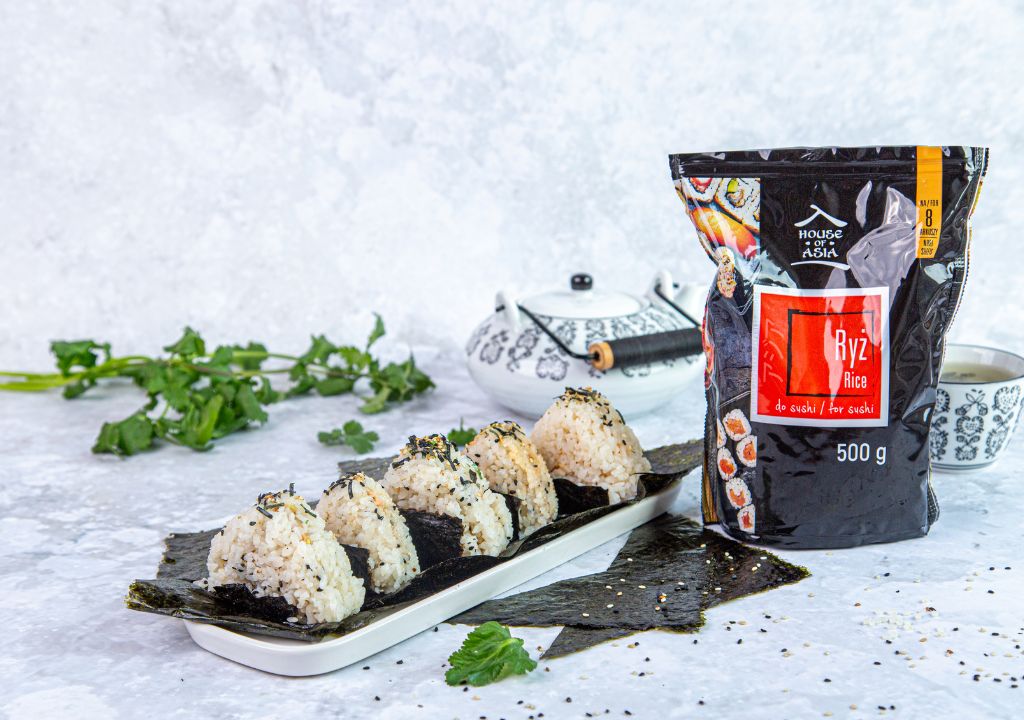
It works best with onigiri sushi rice, because once cooked, it's naturally sticky and easily shaped. Before cooking, it's a good idea to rinse it thoroughly several times in cold water until the water runs almost clear. This will give the rice a better texture and prevent it from becoming too heavy or overcooked.
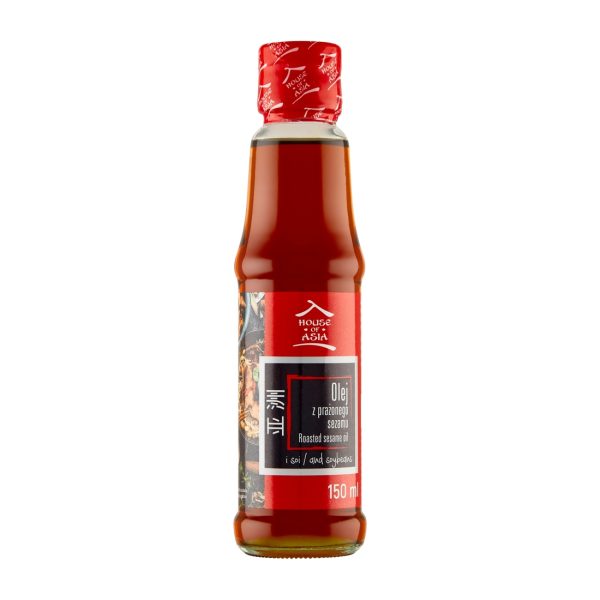
After cooking, the rice should be left covered for a few minutes and then allowed to cool slightly. You can, but don't have to, add some to the classic onigiri. sushi rice sauceJust a pinch of salt is enough, roasted sesame oil in the Korean version, possibly sesame or furikake. It's important to form onigiri from warm, but not hot, rice, as this allows it to stick together better and be easier to shape.
Types of stuffing for onigiri
The filling for onigiri can be delicate or more intense – it all depends on the desired flavor. Classic fillings include baked salmon or tuna marinated in mayonnaise, chives and sriracha sauceOther additions, such as shrimp or chicken, are also great. teriyaki, miso paste, egg, or vegetables. The best ingredients are those that are compact, don't release too much liquid, and are easy to enclose in the rice.
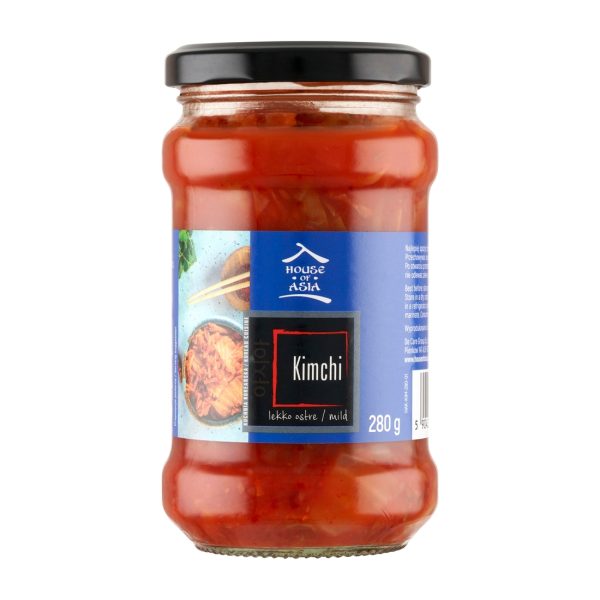
In the home version, you can also reach for more creative combinations, e.g. kimchi, tofu, mushrooms, avocado, spicy tuna, paste with edamame or leftover roasted meat. The most important thing is that the filling is well seasoned, but not too wet – too much sauce can cause the rice to fall apart.
How to wrap onigiri in nori sheets?
Nori can be wrapped in several ways, depending on whether you prioritize ease of eating, crispness, or appearance. A simple method is to glue a strip of nori to the bottom of the triangle, allowing you to comfortably hold the onigiri in your hand. Unfortunately, this method can cause the onigiri to fall apart more quickly. It's better to wrap the nori around the entire snack, or use a larger sheet that covers the sides and part of the top.
It is best to wrap them in a special nori for onigiri in foilwhich allows the algae to remain crunchy until eaten. If you have regular Cloud It is better to prepare them just before serving, because the algae soften quickly after contact with warm rice.
Shaping onigiri – which molds to choose?
Onigiri can be shaped by hand, but molds make it much easier to prepare even and aesthetically pleasing portions. Various mold shapes and sizes are available. For the classic triangular onigiri, molds are available in the form of a flexible strip that folds into a triangle, into which a portion of rice is placed. These are especially useful when you want to shape them quickly without crushing the rice.
The second popular type is the classic triangular mold, which simply requires a portion of the rice and filling to be placed inside and lightly pressed down with the lid. This is a very convenient option for beginners, as it allows for quick, consistent onigiri shaping.
It's best to choose a mold made of easy-to-clean plastic and one that's not too large, so the onigiri will be comfortable to eat. Before use, lightly dampen the mold with water to prevent the rice from sticking to the sides. For beginners, a mold is a very practical solution, as it allows for a uniform shape without the need for hand-shaping.
Kimbap, Samgak gimbap – other snacks made of rice and nori
Kimbap or gimbap
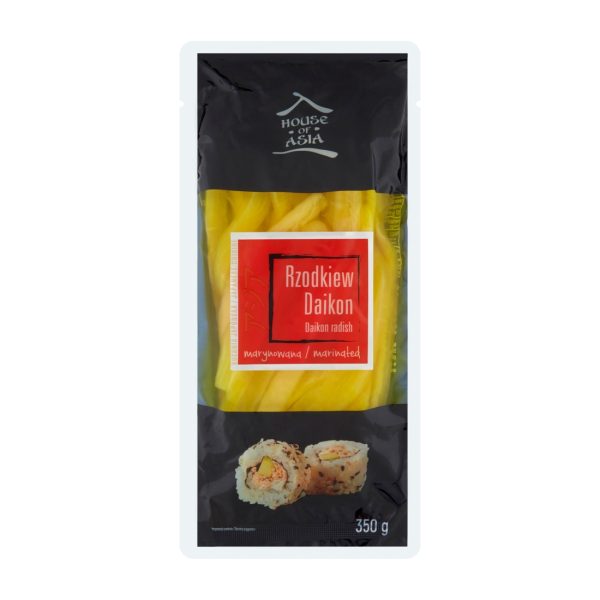
Kimbap, also known as gimbap, is one of the most popular Korean snacks. It may look similar to sushi but has a completely different character. It is made with seasoned rice. sesame oil and salt, which is wrapped in sheets of roasted algae along with various additions. The inside may contain vegetables, eggs, meat, fish, kimchi, pickled radish or other ingredients that give each roll a distinctive flavor and colorful appearance.
This dish is appreciated for its convenience, versatility, and ability to be eaten in almost any situation—as a quick lunch, a takeaway snack, part of a picnic, or a meal for work or school. Kimbap stands out for its harmonious combination of delicate rice, crispy vegetables, aromatic sesame, and bold toppings. It's filling, practical, and visually striking, making it a perfect addition to an everyday menu or as inspiration for those discovering Korean cuisine.
Samgak gimbap
Samgak gimbap is a triangular variety of Korean gimbap that most closely resembles Japanese onigiri while retaining its distinctive Korean flavor. Its name comes from the word "samgak," meaning "triangle," and refers to the snack's shape. The base of the dish is rice, usually seasoned with sesame oil and salt, filled with stuffing, and then wrapped in a sheet of nori seaweed. The inside may contain, among other things, tuna with mayonnaise, kimchi, bulgogi, spicy chicken, vegetables or other additions inspired by Korean cuisine.
This exceptionally popular convenience food snack, often available in Korean stores and markets, is designed for easy eating on the go – without a plate, cutlery, or lengthy preparation. Its distinctive packaging allows the seaweed to separate from the rice until opened, keeping it crispy. Thanks to its handy format, filling filling, and intense flavors, samgak gimbap is perfect as a quick snack, a grab-and-go lunch, or a small meal throughout the day.
Onigiri, Kimbap, Samgak gimbap – check the differences
Although onigiri, kimbap, and samgak gimbap share a common element—rice and seaweed—they differ primarily in origin, form, and seasoning. Onigiri originates from Japan and has a more delicate flavor, while kimbap and samgak gimbap belong to Korean cuisine, where rice is often seasoned with sesame oil and salt, and the fillings are more intense.
The biggest difference is the way it's served: kimbap is most often served as a roll cut into pieces, while onigiri and samgak gimbap are usually triangular. Samgak gimbap can therefore be considered the Korean answer to onigiri. Visually similar, but taste-wise closer to kimbap. In short: onigiri is Japanese and milder, kimbap is Korean and more complex, and samgak gimbap combines a convenient triangular shape with a Korean flavor.
How to make onigiri at home? Ready-made onigiri recipes.
You can prepare homemade onigiri in many ways, from the classic version with fish filling to crispy, fried varieties perfect for a warm snack. Try these recipes for Japanese onigiri with tuna, onigiri with surimi, cheese onigiri and crispy onigiriThese are great ideas for lunch, a snack for work or school, and a simple way to use rice, Japanese style.