

More than half of our bodies are made up of water. It's found in our tissues and organs, and it influences the functioning of our entire body. It even determines how well we think! Find out how to regularly replenish your fluids to feel good. Read on to learn what hydrates our bodies most effectively and why coconut water, which is incredibly popular in Thailand, is perfect for this purpose.
Every cell in the body, even the smallest, is composed of water. It's found in organs, tissues, and bones. The muscles that allow us to move efficiently contain over 70% water. The lungs contain as much as 80%. Well-hydrated mucous membranes in the nose and throat provide a better barrier against pathogenic microorganisms, so the amount of fluids we absorb also affects our immunity. Proper and regular hydration keeps skin supple and smooth, muscles strong, and the mind sharp – concentration improves. There are ways to enhance these beneficial effects.
Is water alone enough?
Which drinks should you reach for to ensure your body has enough fluids? Most of us realize that sugary, carbonated drinks don't quench thirst and often serve as an additional source of sugar in our diet. Plain water is, of course, perfect, but not everyone can drink more than 2 liters of tasteless beverages a day. Therefore, it's worth adding healthy drinks to your daily fluid intake, as they have beneficial effects similar to water. These include isotonic drinks, which replace water and valuable electrolytes.
"Electrolytes, as the name suggests, are substances, or more precisely, ions, that have the ability to transmit electrical impulses in the body. They are responsible for maintaining optimal homeostasis, or balance, in our bodies. They are essential for proper water-electrolyte and acid-base balance, as well as for the proper functioning of the circulatory, nervous, and muscular systems. The functioning of the entire body depends on the appropriate level of electrolytes in body fluids. The most important electrolytes include sodium, potassium, magnesium, and calcium. Their deficiency can manifest as weakness, headaches, decreased concentration, swelling—especially in the hands and feet—and, in long-term cases, even arrhythmia and heart failure," explains dietitian Aneta Korzeniecka.
The problem is that many ready-made isotonic drinks contain added sugars or preservatives. Healthy alternatives include natural isotonic drinks, such as water with honey and a pinch of salt, or coconut water, which is very popular in tropical climates because it perfectly quenches thirst and prevents dehydration.
Coconut water – a source of hydration and valuable ingredients
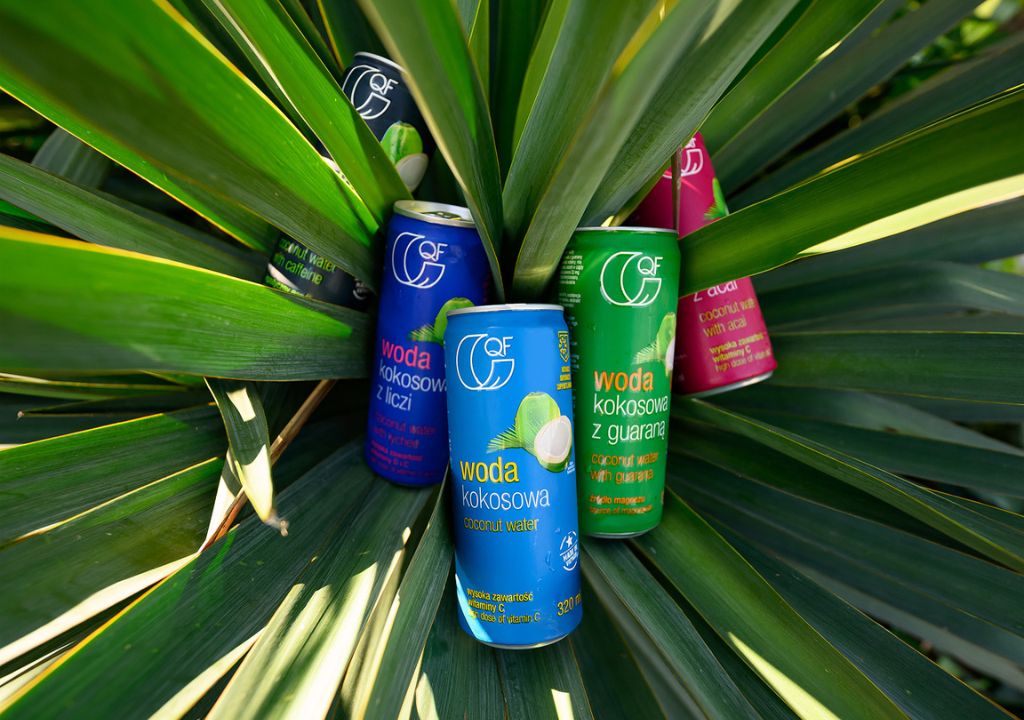
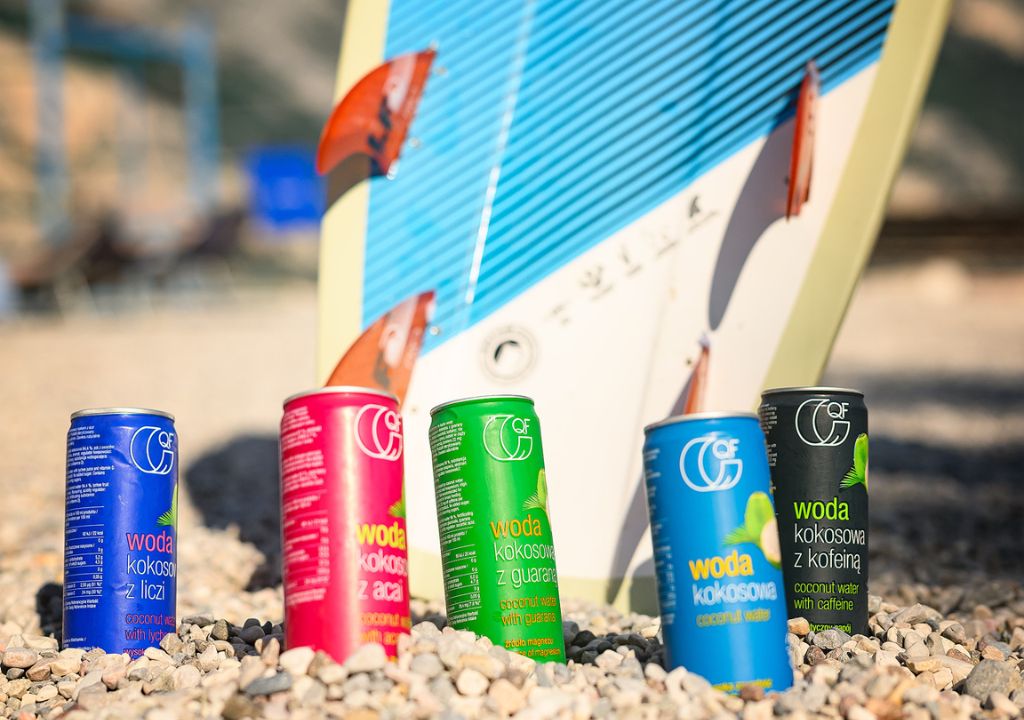
Popular in Thailand, for example, coconut water is obtained from young, still green coconuts. One coconut can contain from 200 ml to 1 liter of water.1It's clear and has a delicate, refreshing taste. QFQuality Food offers five versions of this natural drink, enriched with beneficial ingredients. Depending on your needs, you can choose a drink that will boost energy and stimulate your mind, boost your immunity, or enhance your beauty.

When you need energy
Coconut water with caffeine It's a great alternative to your morning espresso. Importantly, it doesn't stain your teeth and is gentle on your stomach (the caffeine comes from guarana, a plant known for its stimulating properties). Physically active people and those who need a mental boost, such as during exams or new projects, will certainly appreciate this healthy and natural energy boost.
When you want to look good
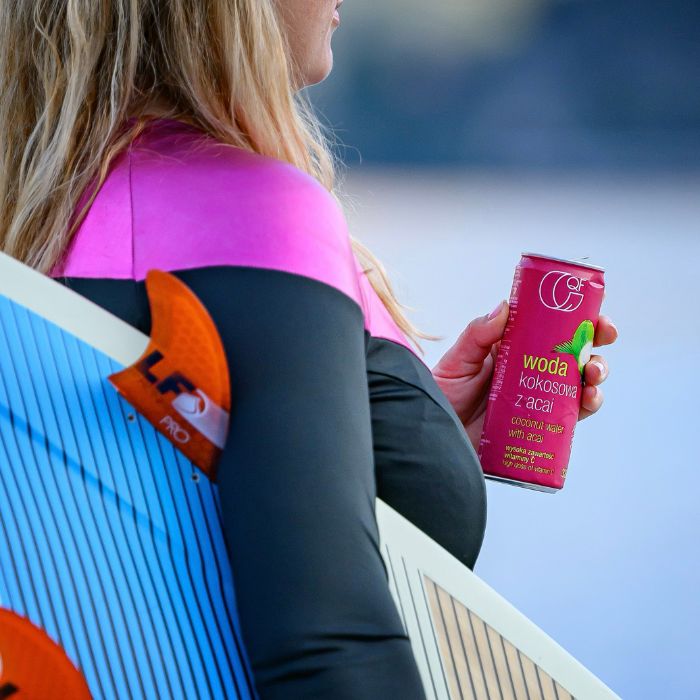
Coconut water with collagen and acai It's a natural isotonic drink containing antioxidants from acai berries and easily digestible collagen obtained from fish. This combination of beneficial ingredients found in coconut water will not only hydrate the body but also support beauty. Collagen helps reduce wrinkles, reduce the appearance of cellulite, and improve skin's radiance! Drinking coconut water with collagen and acai will also support joint function.
When you want to support the functioning of your body
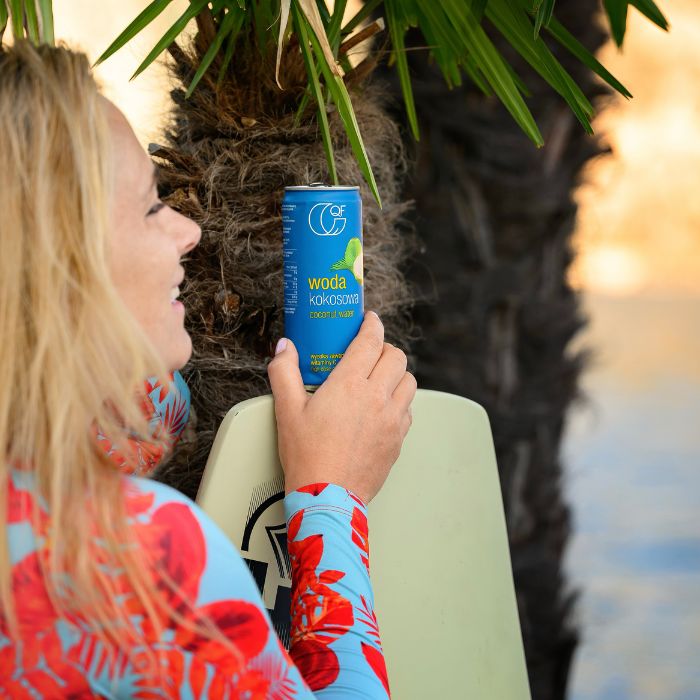
Also available coconut water with vitamin CIt also supports the immune system and is an excellent substitute for plain water. It has a very delicate flavor, contains only naturally occurring sugars, and works great as a thirst-quenching isotonic drink, especially on hot days.
When you need concentration
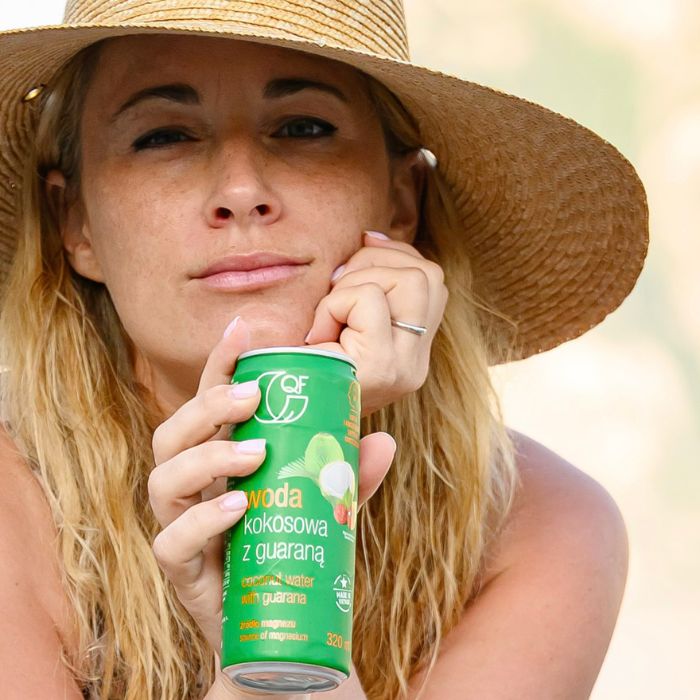
Another noteworthy version of a natural isotonic drink without added sugar is coconut water with guarana extract and magnesiumThis version should be considered by those whose work requires performance and concentration. The drink contains only natural ingredients with no added sugar, and the magnesium is in an organic, easily absorbed form. This information will likely also be of interest to athletes, who know that magnesium is responsible for, among other things, the conduction of nerve impulses and muscle contraction.

When you need to strengthen your immunity
Lychee coconut water is high in vitamins D and C, so it will quench your thirst while supporting the immune system and bone mineralization. Lychee is a fruit native to Southeast Asia – delicious and very healthy.
All coconut waters offered by De Care have a short list of ingredients, are suitable for vegans, are prepared without added sugar and without GMOs, and the packaging (320 ml cans) is recyclable.
It's worth noting that coconut water, as a natural drink, is low in calories (approx. 23 kcal/100 g), and like isotonic drinks, it contains electrolytes, including potassium and sodium. Sodium is the main electrolyte we lose through sweat on very hot days. It improves water absorption (at the cellular level, its function is similar to a "key"), stimulates thirst, improves water and carbohydrate absorption in the small intestine, and delays the onset of muscle fatigue.3It's no wonder then that this natural isotonic drink is so readily available to people with an active lifestyle.
How much fluid does the body need?
What can we do to maintain balance and provide our bodies with a similar amount of fluids to what it loses daily? It's important to replenish these deficits on an ongoing basis. It's generally accepted that we should drink 30 ml of water for every kilogram of body weight. Other sources suggest that consuming approximately 2,5 liters of fluids in any form is sufficient. Besides water, fluids also include soups and juices found in vegetables and fruits. A general guideline is that 70–80% of our daily water needs should be met by beverages, with the remaining 20–30% from other foods. Some people combine both sources, drinking with meals. Is this a good idea?
"It's not clear-cut, and there's no research to support any of the theories," says dietitian Aneta Korzeniecka. "However, I advocate skipping meals and drinking fluids at least 15 minutes before or 30 minutes after a meal. If someone feels comfortable drinking with a meal, then let them. However, I'd like to emphasize that when it comes to drinking with meals, avoid tea and coffee, which hinder the absorption of iron, calcium, and magnesium, which can lead to deficiencies," warns the expert.

When you lack hydration
Hydration involves not only providing the optimal amount of fluids but also electrolytes. Even a small decrease in fluids—up to 2% of body weight—can negatively impact cognitive function and athletic performance. When hydration decreases by 6-10% of body weight, sweat production, which naturally protects us from overheating, decreases, and blood flow to the skin and muscles also decreases.3.
Remember that we lose water and electrolytes not only when exposed to hot climates or during intense training. Yes, an hour of strenuous exercise can cost us up to a liter of sweat, but the body also dehydrates when we laze around. In thermoneutral conditions, i.e., at a temperature of around 20°C, the body loses about 0,5 liters of fluid per day.
If you think increased thirst is the first sign that your body needs fluids, you're dead wrong. It's actually a wake-up call! It's the first stage of dehydration. Symptoms can also include headaches, fatigue, and urinating less frequently than usual. To prevent this condition, drink healthy drinks, especially isotonic drinks, as often as possible throughout the day. Make this a new, healthy ritual where you sip coconut water, close your eyes, and briefly imagine yourself on a tropical island.