
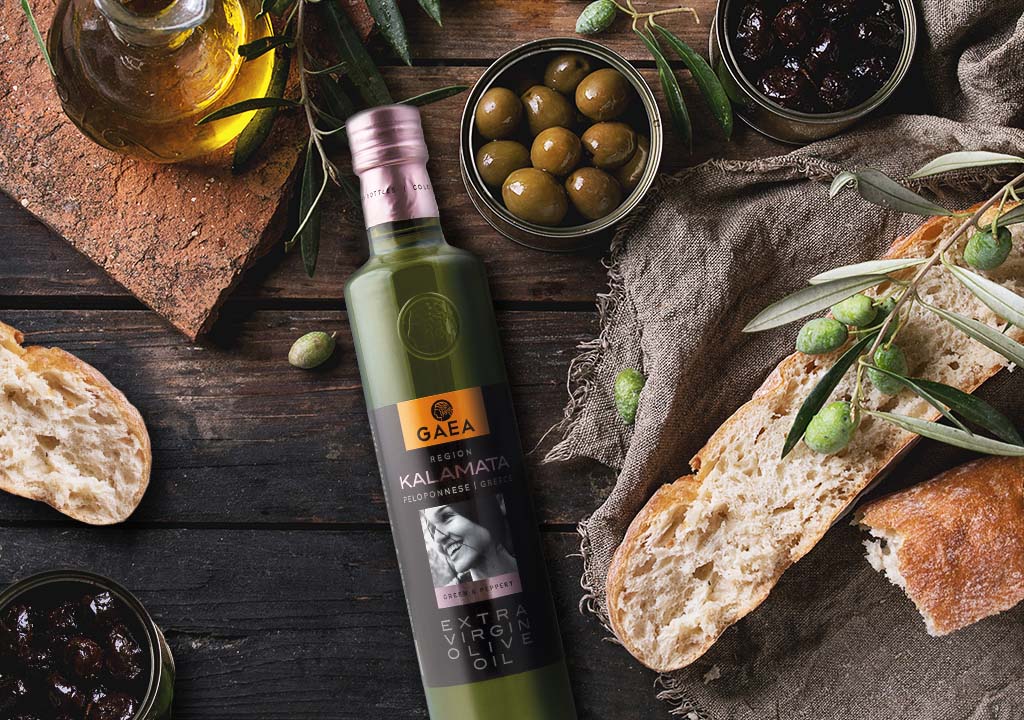
Olive oil is a very healthy fat that should have a place of honor in every kitchen. It's no coincidence that it's a staple oil in the anti-inflammatory and Mediterranean diets—some of the healthiest diets in the world. Extra-virgin olive oil is a rich source of monounsaturated fatty acids, which have a positive effect on the body. They have the ability to increase the elasticity and permeability of cell membranes, allowing cells to become more nourished and oxygenated. Olive oil helps reduce bad cholesterol levels while increasing good cholesterol levels. This protects against the development of atherosclerosis and other cardiovascular diseases. The oleic acid found in olive oil offers numerous health benefits, preventing type 2 diabetes and the formation of atherosclerotic plaques.
Extra virgin olive oil is a versatile cooking oil. It's suitable for both cold salads and thermal processing – it can even be used for frying. The oil exhibits high stability at high temperatures thanks to the presence of natural antioxidants that protect fatty acids from oxidation. According to the international Rancimat test, extra virgin olive oil exhibits oxidative stability for up to 6,6 hours of heating (compared to 4,5 hours for rapeseed oil).
It is worth choosing good and proven olive oil, thus limiting the consumption of unhealthy saturated fats.